
CeMM Forschungszentrum
für Molekulare Medizin
Science is our Medicine




Erkunde das CeMM


Erkunde das CeMM

PhD-Programm
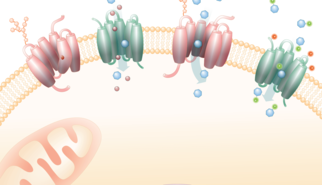
Das CeMM PhD-Programm vermittelt Forscher:innen ein postgenomisches, molekulares Verständnis biologischer und pathologischer Systeme und leistet damit einen Beitrag zur vorausschauenden, vorbeugenden und personalisierten Medizin der Zukunft. Die Studierenden erwerben Fachwissen in biomedizinischen Technologien sowie in Zell- und Molekularbiologie und deren Anwendung auf Krankheitsmechanismen und zielgerichtete Therapien. Darüber hinaus entwickeln sie Kompetenzen in interdisziplinärer Kommunikation und Projektmanagement im Bereich der translationalen Forschung.
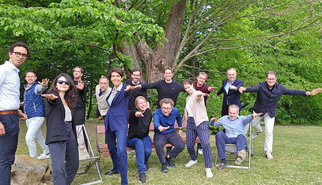
Ein zentrales Merkmal des Programms ist sein kollaborativer und interdisziplinärer Ansatz. Wissenschaftler:innen aus unterschiedlichsten Fachrichtungen – darunter Medizin, Informatik, Lebenswissenschaften, Mathematik, Chemie und Physik – arbeiten gemeinsam an komplexen wissenschaftlichen Fragestellungen und fördern Innovationen in der molekularen Medizin.

PostDoc-Programm
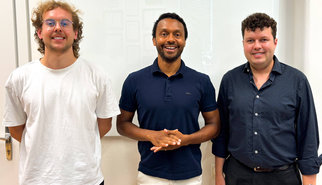
Das CeMM Postdoc-Programm bietet Forschenden ein hochgradig kollaboratives und innovatives Umfeld zur Weiterentwicklung der molekularen Medizin. Mit Zugang zu modernsten postgenomischen Technologien arbeiten Postdocs an gesellschaftlich relevanten Krankheitsbildern wie Immunerkrankungen, Infektionen, Krebs und Stoffwechselstörungen. Das Programm fördert enge Interaktionen mit Ärzt:innen und klinischen Forschenden und profitiert von der Lage des CeMM auf einem der größten medizinischen Campus Europas.
Postdocs am CeMM erhalten gezielte Weiterbildung, Mentoring und Betreuung zur Unterstützung ihrer beruflichen Entwicklung. Das Programm kann auf eine erfolgreiche Bilanz bei der Vorbereitung auf Führungspositionen in Wissenschaft, Industrie und Unternehmertum verweisen und vermittelt die Fähigkeiten und Ressourcen für herausragende wissenschaftliche Beiträge.

Research Technicians
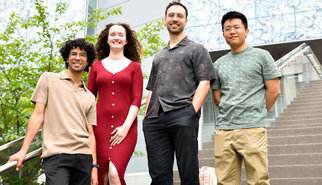
Das CeMM bietet Research Technicians eine klare und strukturierte Karriereperspektive und unterstützt ihre berufliche Weiterentwicklung auf allen Ebenen. Techniker:innen spielen eine zentrale Rolle für den Erfolg der wissenschaftlichen Arbeit am CeMM – ihre Weiterqualifizierung und ihr Beitrag werden ernst genommen. Research Technicians sind weit mehr als technische Unterstützung: Sie leisten einen entscheidenden Beitrag zum täglichen Betrieb und zum langfristigen Erfolg jeder Forschungsgruppe und Einrichtung. Von der Versuchsplanung bis zur Fehleranalyse komplexer Analysegeräte sorgen sie dafür, dass die Forschung effizient und reibungslos abläuft.
Ein zentrales Ziel des CeMM ist es, durch wegweisende biomedizinische Forschung neue Erkenntnisse über menschliche Krankheiten zu gewinnen. Die Grundlage dafür ist ein starkes Fundament – aufgebaut und getragen von unseren engagierten Research Technicians. Ihr Fachwissen im Hintergrund ermöglicht jene Entdeckungen, die die Medizin der Zukunft mitgestalten.


