
CeMM Research Center
for Molecular Medicine
Science is our Medicine



Explore CeMM's


Explore CeMM's

PhD Program
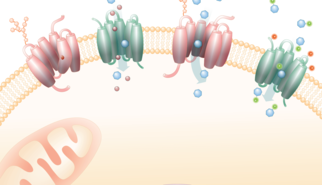
The CeMM PhD Program trains researchers in a post-genomic, molecular understanding of biological and pathological systems, contributing to the future of predictive, preventive, and personalized medicine. Students gain expertise in biomedical technologies, cell and molecular biology, and their application to disease mechanisms and targeted therapies. They also develop skills in interdisciplinary communication and project management for translational research.
A key feature of the program is its collaborative and interdisciplinary approach. Scientists from diverse fields, including medicine, computer science, life sciences, mathematics, chemistry, and physics, work together to tackle complex scientific challenges and drive innovation in molecular medicine.

PostDoc Program
The CeMM Postdoc Program offers researchers a highly collaborative and innovative environment to advance molecular medicine. With access to state-of-the-art post-genomic technologies, postdocs work on societally important diseases such as immune disorders, infections, cancer, and metabolic disorders. The program fosters close interactions with physicians and clinical researchers, benefiting from CeMM’s location at one of Europe’s largest medical campuses.
Postdocs at CeMM receive dedicated training, mentoring, and supervision to support their career development. The program has a strong track record of preparing researchers for leadership roles in academia, industry, and entrepreneurship, equipping them with the skills and resources needed for groundbreaking scientific contributions.

Research Technicians
CeMM offers a clear and structured career path for Research Technicians, recognizing and supporting professional growth at every stage. At CeMM, technicians are essential to the success of scientific research, and their career development is taken seriously. CeMM’s Research Technicians are much more than technical support staff. They are key contributors to the daily operations and long-term success of every lab and facility. From experimental design to troubleshooting high-end analytical instruments, RTs ensure that research runs smoothly and efficiently.
One of CeMM's key mission is to unlock new insights into human diseases through pioneering biomedical research. Achieving this relies on a strong foundation—one that is built and maintained by our dedicated Research Technicians.Their behind-the-scenes expertise powers the discoveries that help shape the future of medicine.


