Neue Einblicke in die Wirkungsweise eines alten Leukämie-Medikaments
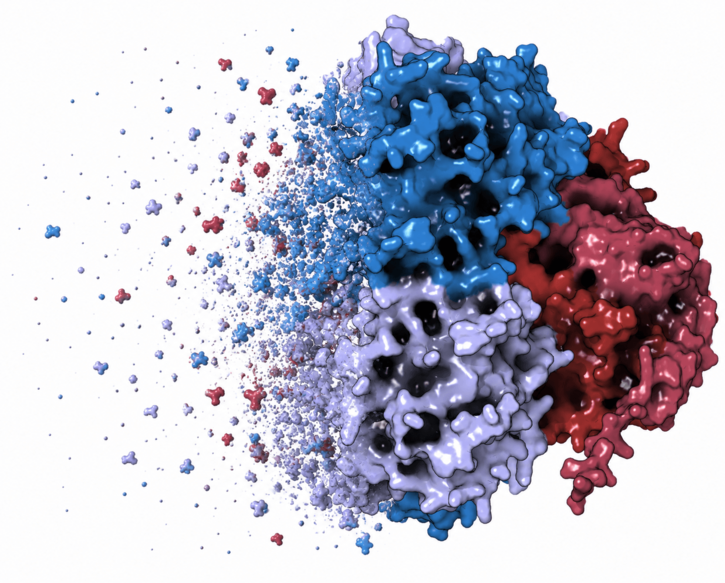
Wie Zellen auf das Leukämie-Medikament 6-Thioguanin (6-TG) reagieren, gibt der Forschung auch nach Jahrzehnten noch Rätsel auf. Eine neue Studie unter gemeinsamer Leitung von Forschenden des CeMM und der University of Oxford hat nun gezeigt, dass das Protein NUDT5 die Empfindlichkeit der Zelle auf den Wirkstoff reguliert – und dass diese Funktion erstaunlicherweise nichts mit seiner enzymatischen Aktivität zu tun hat. Die in Nature Communications (DOI 10.1038/s41467-026-74489-9) veröffentlichte Arbeit kombiniert verschiedene hochmodernde Methoden, wie etwa gezielten Proteinabbau, um eine bislang verborgene Ebene der Zellbiologie aufzudecken und stellt zugleich traditionelle Vorstellungen darüber, wie Enzyme in Zellen funktionieren, infrage.
(Wien, 12. August 2026) Seit mehr als 70 Jahren wird 6-Thioguanin zur Behandlung von Leukämie eingesetzt. Obwohl die klinische Wirkung des Medikaments intensiv untersucht wurde, sind bis heute die molekularen Mechanismen, die darüber entscheiden, ob Krebszellen durch das Medikament vernichtet werden oder seiner Wirkung widerstehen, noch nicht vollständig entschlüsselt.
Ein Forschungsteam des CeMM Forschungszentrum für Molekulare Medizin der Österreichischen Akademie der Wissenschaften hat nun gemeinsam mit Partnern der University of Oxford, des Weizmann Institute of Science und der University of Dundee einen unerwarteten Akteur in diesem Prozess identifiziert: das Protein NUDT5.
Die Entdeckung knüpft unmittelbar an einen Durchbruch der Arbeitsgruppen von Stefan Kubicek und Kilian Huber an, der 2025 in Science (DOI: 10.1126/science.adv4257) veröffentlicht wurde. Damals konnten die Forschenden zeigen, dass NUDT5 eine zentrale Funktion in der Zelle erfüllt, die unabhängig von seiner enzymatischen Aktivität ist: Statt biochemisch als Katalysator zu wirken, fungiert das Protein als molekulares Gerüst, um den Zellstoffwechsel zu organisieren. Dieses ungewöhnliche Verhalten hat direkte Auswirkungen auf die Wirkungsweise des wichtigen Krebsmedikaments 6-TG.
„Wir gingen zunächst davon aus, dass NUDT5 die Wirkung von 6-TG über seine enzymatische Aktivität beeinflusst“, sagt Tuan-Anh Nguyen vom CeMM, Ko-Erstautor der Studie. „Stattdessen zeigte sich, dass die Hemmung des Enzyms kaum Auswirkungen hatte. Entscheidend war vielmehr, ob das Protein selbst in der Zelle vorhanden war.“
Wenn Hemmen nicht ausreicht
Die meisten Medikamente, die Enzyme angreifen, blockieren deren katalytische Aktivität. Um zu untersuchen, ob dies auch für NUDT5 gilt, nutzte das Forschungsteam eine vergleichsweise neue Technologie: den gezielten Proteinabbau (targeted protein degradation). Anders als klassische Inhibitoren blockiert dieser Ansatz ein Protein nicht nur, sondern entfernt es vollständig aus der Zelle.
„Wir haben eine zellbasierte Plattform entwickelt, die die Identifizierung von NUDT5-Degradern beschleunigt hat. Sie war die Grundlage für unsere Arbeiten in der medizinischen Chemie und führte schließlich zu dNUDT5, unserem bislang wirksamsten Degrader“, erklärt Anne-Sophie Marques, Ko-Erstautorin der Studie, deren Arbeiten an der University of Oxford maßgeblich zu den Ergebnissen beitrugen.
Im Rahmen eines gezielten Projekts zur medizinischen Chemie entwickelte die Arbeitsgruppe von Kilian Huber an der University of Oxford ein ganzes Werkzeugset hochselektiver NUDT5-Degrader. Diese Moleküle entfernen NUDT5 gezielt aus der Zelle. Ergänzt wurden sie durch passende Kontrollverbindungen, die zwar an NUDT5 binden, dessen Abbau jedoch nicht auslösen. Die Forschenden verglichen deren Wirkung mit der konventioneller NUDT5-Inhibitoren.
Das Ergebnis war eindeutig: Während die Hemmung von NUDT5 die Reaktion der Zellen auf 6-TG nicht veränderte, schützte der vollständige Abbau des Proteins die Zellen vor den toxischen Effekten des Medikaments. Genetische Experimente führten zum gleichen Resultat.
„Chemische Degrader ermöglichen es uns, die enzymatische Funktion eines Proteins von seiner Rolle als physische Struktur innerhalb der Zelle zu trennen“, sagt Professor Kilian Huber vom Centre for Medicines Discovery der University of Oxford und Ko-Korrespondenzautor der Studie. „Gerade in diesem Fall war diese Unterscheidung wichtig: Erst durch die Entfernung von NUDT5 konnten wir biologische Zusammenhänge sichtbar machen, die mit klassischen Inhibitoren verborgen geblieben wären.“
Die Ergebnisse zeigen, dass NUDT5 die Empfindlichkeit gegenüber Thiopurinen über einen nicht-enzymatischen Mechanismus beeinflusst – ein Mechanismus, der sich durch die Untersuchung der katalytischen Aktivität allein nicht erkennen lässt.
„Als die ersten Ergebnisse eintrafen, wurde sofort klar, dass dNUDT5 die Zellen dosisabhängig vor der Toxizität von 6-Thioguanin schützt. Das war ein unglaublich spannender Moment“, sagt Ludwig Bauer, ebenfalls Ko-Erstautor der Studie.
Ein unerwarteter Gegenspieler
Darüber hinaus identifizierte das Forschungsteam eine überraschende Beziehung zwischen NUDT5 und NUDT15 – einem weiteren Protein, das bereits als wichtiger Einflussfaktor für das Ansprechen von Patientinnen und Patienten auf Thiopurin-Medikamente bekannt ist.
Während der Verlust von NUDT15 die Empfindlichkeit gegenüber 6-TG erhöht, hat der Abbau von NUDT5 den gegenteiligen Effekt: Die Zellen werden widerstandsfähiger gegenüber der Behandlung. Die Ergebnisse deuten darauf hin, dass beide Proteine über unterschiedliche und teilweise entgegengesetzte Mechanismen wirken.
„Unsere Ergebnisse zeigen, dass Proteine wichtige biologische Funktionen erfüllen können, die vollständig unabhängig von ihrer enzymatischen Aktivität sind“, sagt Stefan Kubicek, Principal Investigator am CeMM und Korrespondenzautor der Studie. „Indem wir NUDT5 nicht nur gehemmt, sondern vollständig entfernt haben, konnten wir eine verborgene biologische Ebene aufdecken, die mitbestimmt, wie Zellen auf ein klinisch bedeutsames Medikament reagieren.“
Auch wenn die Ergebnisse nicht unmittelbar zu einer neuen Therapie führen, liefern sie wichtige Erkenntnisse über einen bislang unbekannten Mechanismus, der die Wirkung eines seit Jahrzehnten eingesetzten Leukämie-Medikaments beeinflusst. Die Studie zeigt, dass NUDT5 die Reaktion auf 6-Thioguanin über eine nicht-katalytische Funktion steuert. Damit eröffnet sie neue Perspektiven, um die unterschiedlichen Therapieansprechen von Patientinnen und Patienten auf Thiopurine besser zu verstehen – und unterstreicht zugleich das Potenzial des gezielten Proteinabbaus, bislang verborgene biologische Funktionen sichtbar zu machen.
###
Die Studie „Targeted Protein Degradation of NUDT5 Dissociates Catalytic Inhibition from Protein Loss in 6-Thioguanine Response“ wurde am 30. Juni 2026 als Preprint in Nature Communications veröffentlicht. Die finale, peer-reviewte Version erschien am 12. August 2026. DOI: 10.1038/s41467-026-74489-9
Förderung: Diese Arbeit wurde durch den Europäischen Forschungsrat (ERC) im Rahmen des Forschungs- und Innovationsprogramms Horizont 2020 der Europäischen Union, den Österreichischen Wissenschaftsfonds (FWF), den Wiener Wissenschafts-, Forschungs- und Technologiefonds (WWTF), das Marie Skłodowska-Curie Actions Postdoctoral Fellowships Progamm, den Innovative Medicines Initiative 2 Joint Undertaking (IMI2 JU), den Wellcome Trust, Merck Sharp & Dohme Corp. sowie Janssen Pharmaceutica NV unterstützt.
Zugehörige Dateien
Artikel teilen